
Reading Process and Aesthetics by Dadejik, Kaplicky, Sevcik, and Zuska. Reading the first chapter where they describe Whitehead’s Philosophy, and the realization that any philosophy is a philosophy limited to a particular context. The benefit of philosophy, however, is it’s ability to transcend itself by way of the process of imagination. It begins with his understanding that philosophy is about the general characterization of things within a specific context, whether physics, history, religion, etc. What is required is a way of testing, of allowing an idea to expand beyond mere fact to possibility. He uses the description of the flight of an airplane, where it begins in a specific space, a context, rises to the clouds, and returns, enlightened, transcended.
What is of importance is the process itself; it is imagination or creativity in action. It begins always from some field; it must go through the life of flight, air; it is given wings to be tested so that possibility may arise. And then, once it has arisen, the plane once again lands. I echo a bit of Gaston Bachelard, who in his Air and Dreams wrote that the etheric imagination in the composition of the image, once it reaches the height, becomes iconoclast. It is destroyed. However, what once was, is now possibility calling for its becoming in the actual. That metaphor can be expressed in the plane as it lands. It is never possible to remain in the sky; we return to the ground from whence we came. Nevertheless, what we learn from it, the possibilities of improvement, experience, adventure, makes it worthwhile.
Also, whitehead seeks to harmonize all forms of thought as layers of its own becoming. The somewhat “lesser” forms are not lesser to the higher, but are rather invaluable to the becoming of higher grades of thinking, because it allows one to see beyond the prior scope of thinking. The return to that prior scope of thinking now allows one to be lured deeper into it, widened, and to go on an adventure anew.


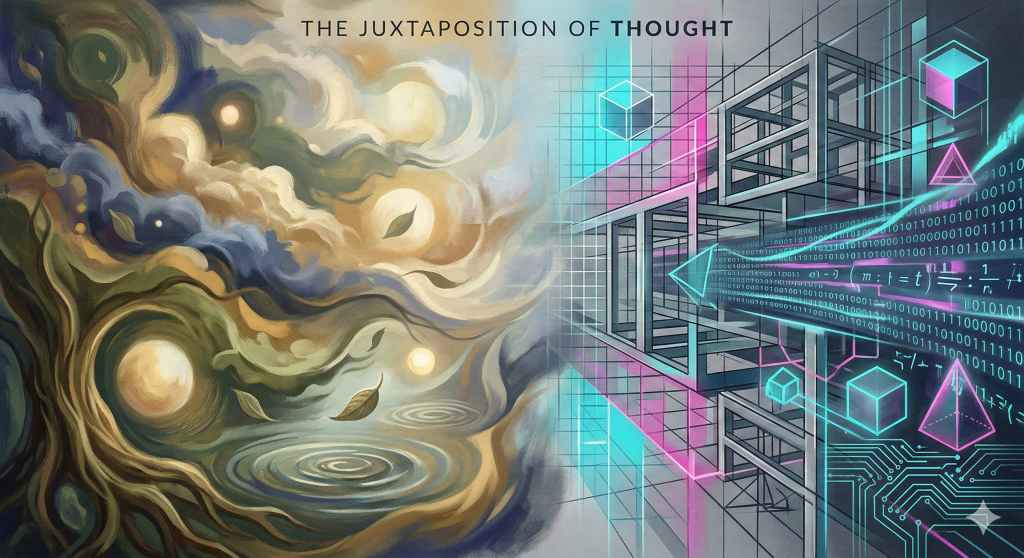


 Process Imagining
Leave a comment